- Official name: Dolmabahçe Palace Gardens
- Address: Dolmabahce Palace, Vişnezade Mahallesi, Dolmabahçe Caddesi, Beşiktaş, Istanbul, Turkey
- Date of opening: 1856
- Timings: 9 AM – 4 PM
- Architect: Ohannes and Simon Balyan, renowned landscape designers
- Architectural style: A fusion of European and Ottoman landscaping
- Function: Palace gardens
- Number of visitors per year: 1.5 million visitors annually
Dolmabahçe Palace Garden | A lush oasis in the heart of Istanbul
What is the Dolmabahce Palace Garden?**
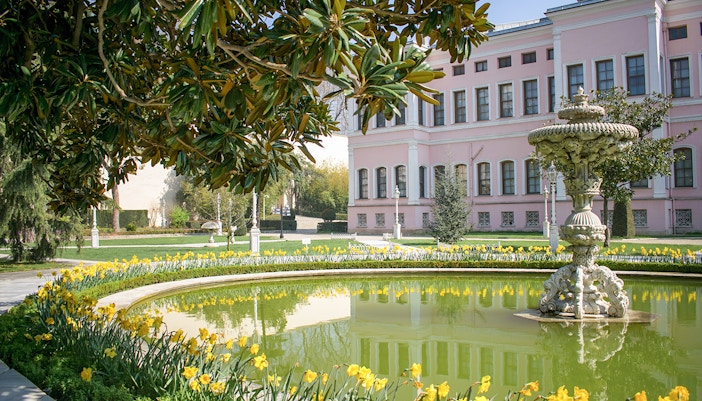
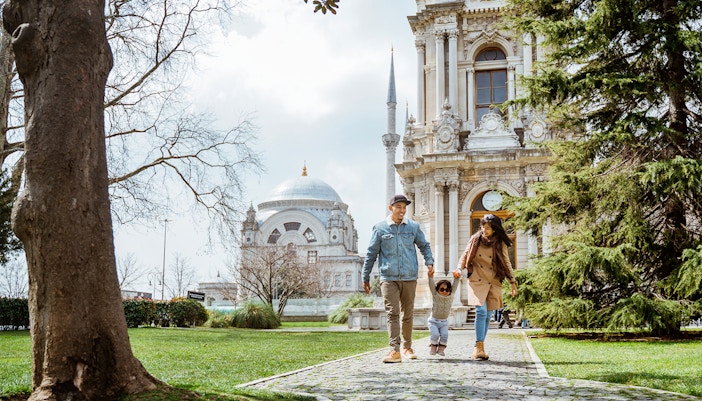
Nestled within the grandeur of Dolmabahçe Palace, the Dolmabahçe Palace Garden is a verdant oasis in Istanbul’s bustling landscape. This historical garden, a blend of traditional Ottoman and European styles, offers a serene escape with its manicured landscapes, ornate fountains, and vibrant flowerbeds. As a crucial part of the palace complex, it reflects the opulence and artistic inclinations of the Ottoman Empire. Visitors are enchanted by its tranquil paths and the panoramic views of the Bosphorus it provides, making it a must-see for anyone exploring the city.
Quick facts about Dolmabahce Palace Garden
Why visit Dolmabahce Palace Garden?
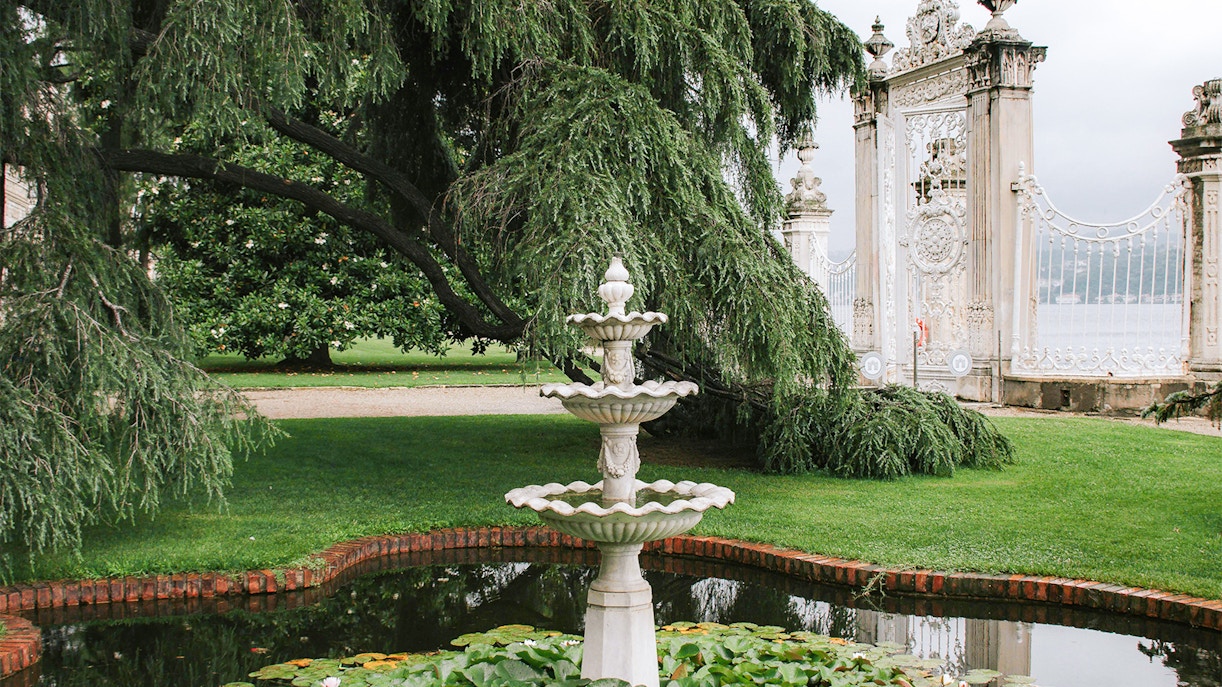
- Serene oasis: With its lush greenery and quiet pathways, Dolmabahçe Palace Garden offers a tranquil retreat amidst Istanbul's vibrant pulse.
- Historical elegance: Every corner of the garden tells a story, showcasing the artistic and cultural richness and reflecting the opulent lifestyle of the Ottoman era.
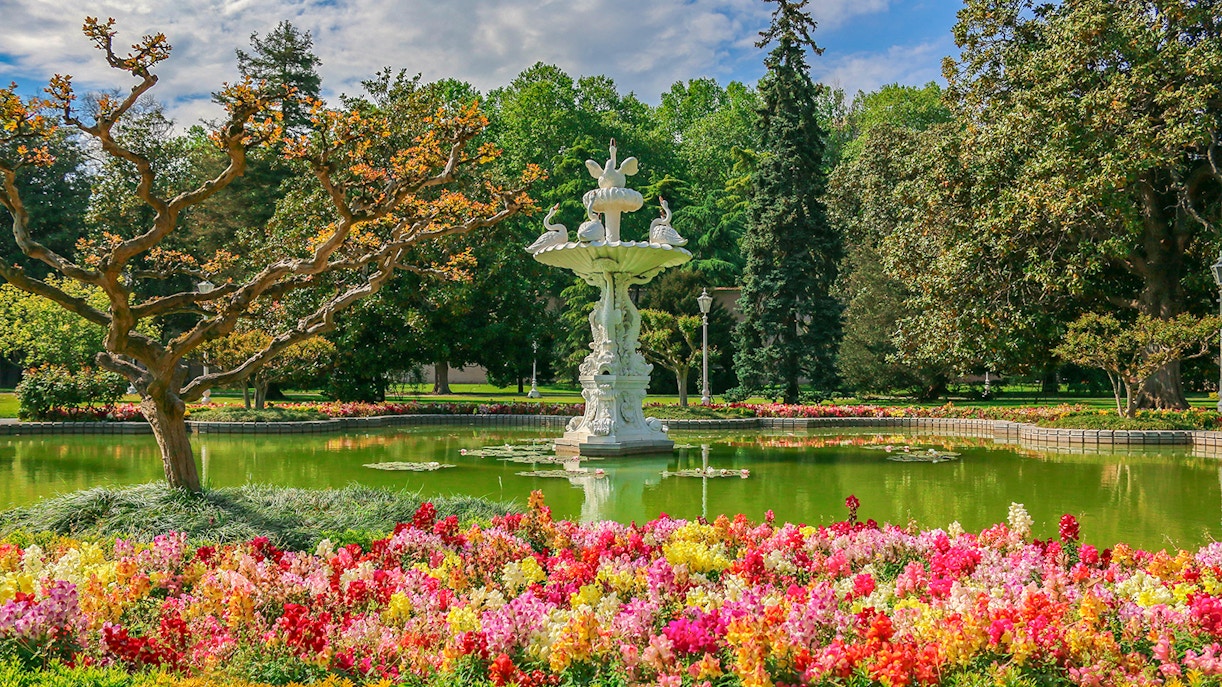
- Floral paradise: The garden's diverse flora, from exotic flowers to age-old trees, creates a visual spectacle. It's a haven for nature lovers and a delight for photographers.
- Spectacular views: Perched alongside the Bosphorus, the garden offers breathtaking views. The blend of nature with the waterway's backdrop is truly mesmerizing.
- Landscaping marvel: The blend of Ottoman and European design elements in landscaping is a rare and captivating sight, making the gardens a masterpiece.
Highlights of Dolmabahçe Palace Garden
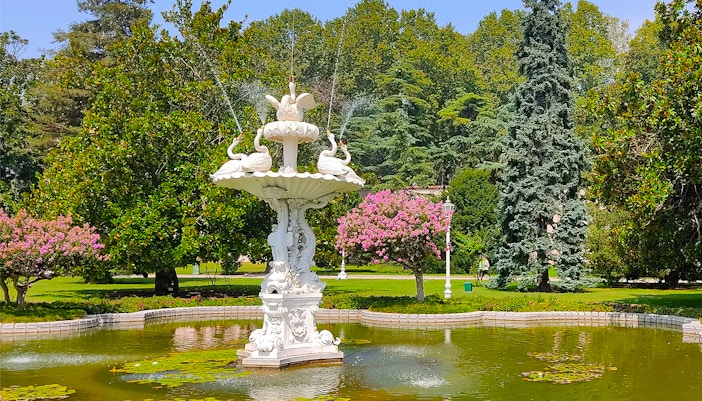
The Grand Fountain
At the heart of Dolmabahçe Palace Garden, the Grand Fountain is a stunning display of artistry and engineering. Its elaborate design and intricate motifs reflect the blend of Ottoman and European styles. During evenings, the fountain comes alive with colorful light shows, synchronizing water jets with music, creating a mesmerizing spectacle.
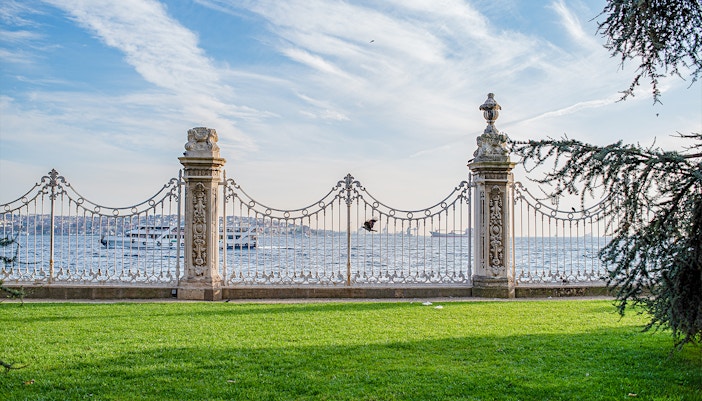
Views of Bosphorus shoreline
The garden’s boundary along the Bosphorus is a window to breathtaking views. Visitors can stroll along the shoreline, feeling the gentle sea breeze while gazing at the bustling waterway. This spot is ideal for those seeking a moment of tranquility or a romantic walk, as the scenic backdrop of the strait, coupled with the lush greenery, creates an atmosphere of serene beauty.
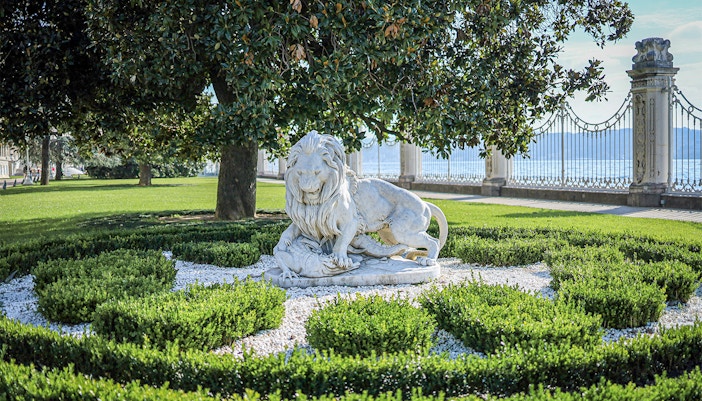
Historical statues
Scattered across the garden, a collection of historical statues stands as silent narrators of the Ottoman Empire’s rich past. Each statue, whether of a notable sultan, a significant figure, or representing a key event, is a masterpiece that offers insights into Turkish history and culture. Exploring these sculptures is like walking through a gallery of the past, where every figure has a story to tell.
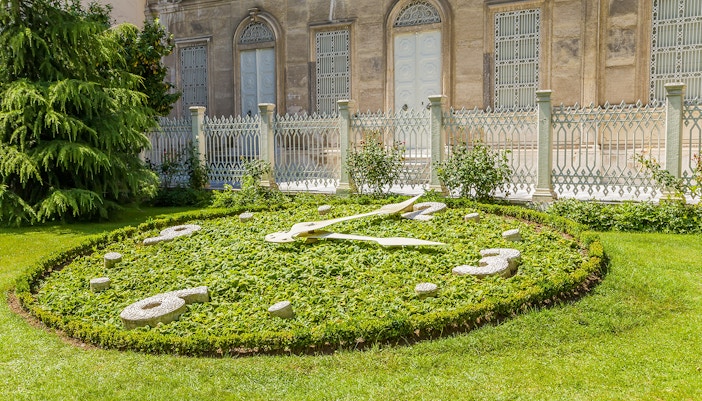
Floral Clock
A testament to horticultural skill and creativity, the Floral Clock is a unique feature of the Dolmabahce Palace gardens. This living timepiece, composed of vibrant flowers and plants, changes its appearance with the seasons, offering a fresh and colorful display throughout the year. Showcasing a blend of natural beauty with functional art, the clock is a favorite among visitors, serving as a perfect backdrop for photos.
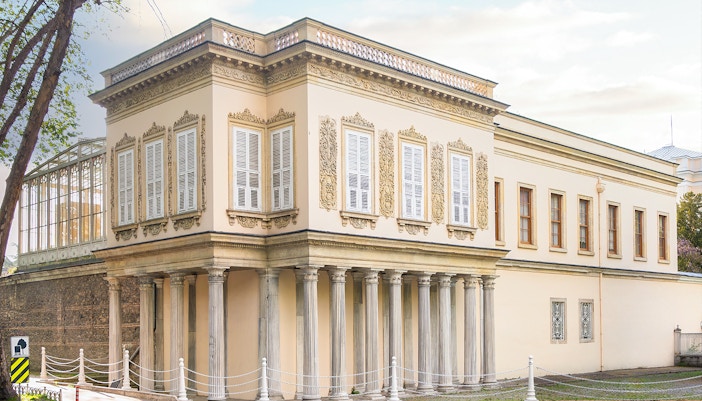
Royal pavilions
These elegant structures, scattered throughout the garden, offer a glimpse into the luxurious lifestyle of Ottoman royalty. Visitors can explore the architectural beauty, intricate design, and lavish decor of these mini-palaces and imagine the royal gatherings and events that once took place within their walls. The pavilions are a blend of history, architecture, and storytelling, making them a must-see for anyone interested in Turkey’s imperial past.
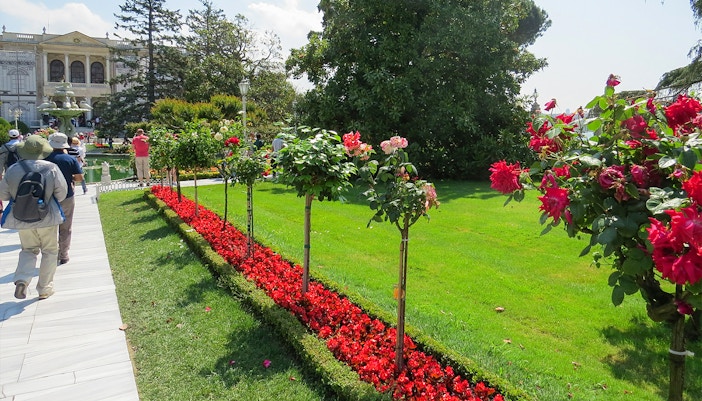
Rose Garden
A sensory delight, the Rose Garden is a vibrant tapestry of colors and scents. Home to a diverse array of rose species, it is a favorite among nature lovers and photographers. The garden is not just a visual feast but also an olfactory experience, with the fragrance of roses filling the air. It's a place of beauty and tranquility, where visitors can unwind and enjoy the simple pleasures of nature amidst the bustling city.
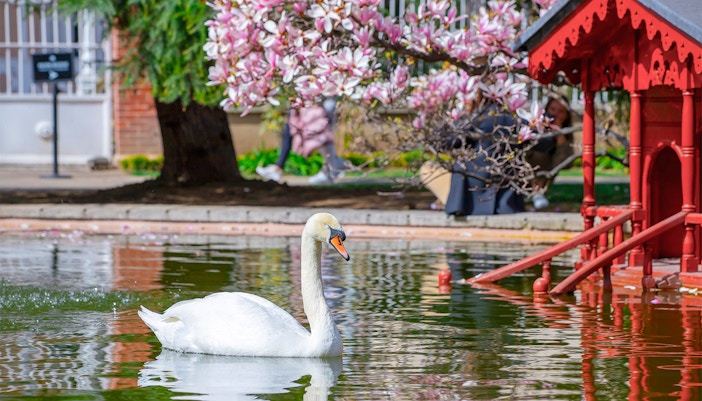
Ornamental ponds
These peaceful water features are integral to the garden's serene ambiance. Home to aquatic plants and wildlife, the ponds serve as a habitat for various species, highlighting the garden's role in urban biodiversity, and add to the tranquility of the Dolmabahce Palace gardens. Visitors can enjoy the soothing sound of water and the sight of swans gliding gracefully.

Greenhouse
A treasure trove for plant enthusiasts, the greenhouse at Dolmabahçe Palace Garden is a showcase of botanical diversity. Housing a range of exotic plants and rare blooms, it is a conservation effort, preserving various plant species.
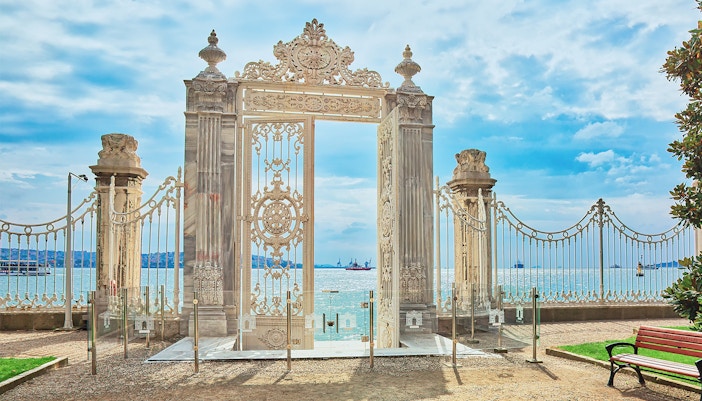
Panoramic Terrace
Offering one of the best views in Istanbul, the Panoramic Terrace in the Dolmabahce Palace garden is a highlight for any visitor. This elevated spot provides sweeping views of the Bosphorus and the city skyline, perfect for breathtaking photos and memorable moments.
History of Dolmabahçe Palace Garden
The Dolmabahçe Palace Garden, a jewel in Istanbul’s landscape, dates back to the mid-19th century. Designed by the renowned Armenian architects Ohannes and Simon Balyan, it was part of Sultan Abdülmecid I's vision to create a modern palace that blended European grandeur with Ottoman elegance. It initially served as a private sanctuary for the Ottoman sultans.
Opened in the 1850s, the garden represented a significant shift in Ottoman horticultural tradition, combining European and Ottoman landscaping styles. Its geometrically arranged pathways, ornate fountains, and diverse flora reflected a luxurious and refined aesthetic. As a royal retreat, it was a backdrop to many historical events and witnessed the empire's transition through various eras.
When Turkey became a republic in 1923, Dolmabahçe Palace, including its garden, was repurposed into a museum and public park. This opened the garden’s gates to the world, allowing visitors to explore its historical and architectural splendor. Today, it not only epitomizes the horticultural prowess of its era but also serves as a verdant oasis in Istanbul, inviting visitors to experience a piece of Turkey's rich cultural heritage.
Architecture & design of Dolmabahçe Palace Garden
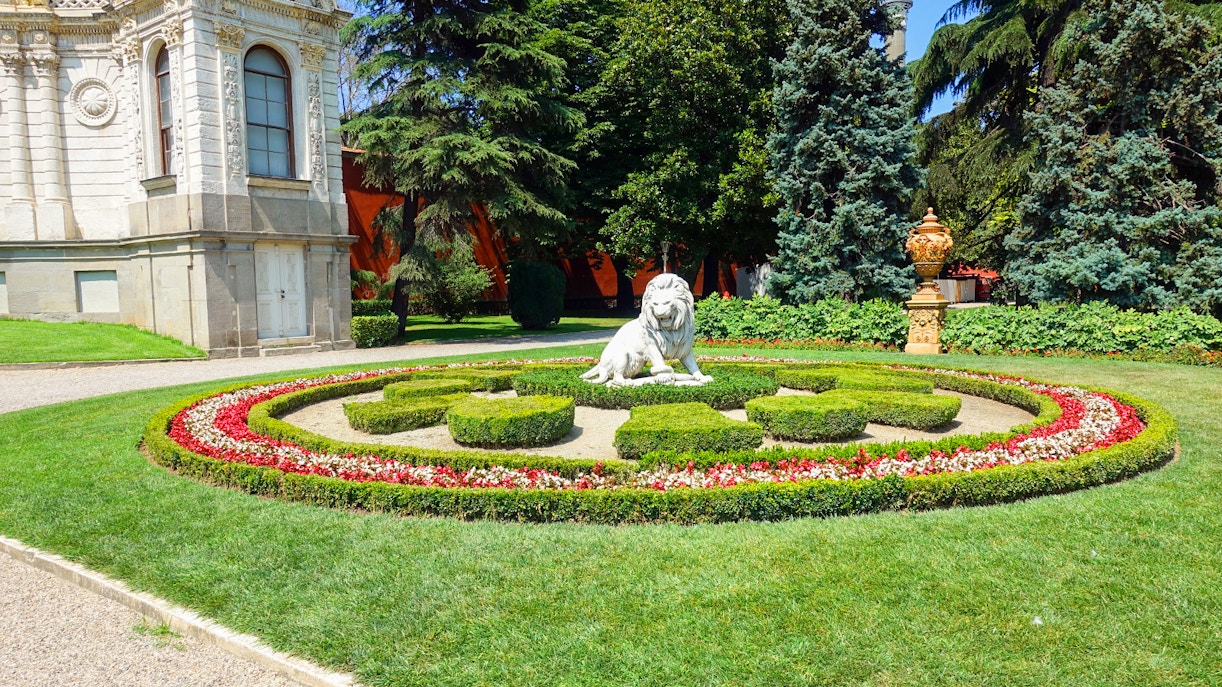
The Dolmabahçe Palace Garden, designed in the mid-19th century by Ohannes and Simon Balyan, is a splendid blend of European and Ottoman landscaping traditions. The garden’s layout features symmetrically arranged pathways, exotic plants, and ornate fountains. Its harmonious mix of nature and architectural elements creates a tranquil and picturesque environment. The Balyans, celebrated for their contributions to Ottoman architecture, have infused the garden with a unique aesthetic that reflects the opulence and cultural fusion of the era. The garden's design mirrors the grandeur of the Dolmabahçe Palace.
Dolmabahce Palace Garden today
Today, the Dolmabahçe Palace Garden stands as a significant cultural and historical landmark in Istanbul. It attracts numerous visitors annually, drawn to its serene beauty and historical significance. The garden remains a testament to the architectural and artistic achievements of the 19th century, offering a lush, green escape in the heart of the city.
Frequently asked questions about Dolmabahce Palace Garden
The Dolmabahçe Palace Garden is a historical garden and public park, part of the Dolmabahçe Palace complex, known for its exquisite European and Ottoman landscaping.
You can visit the Dolmabahçe Garden by buying Dolmabahçe Palace tickets online.
Yes, access to the garden is usually included with Dolmabahçe Palace tickets.
The Dolmabahçe Palace Garden was designed by landscape architects Ohannes and Simon Balyan.
The Dolmabahçe Palace Garden was established in the mid-19th century.
Inside Dolmabahçe Palace Garden, you will find beautiful landscaping, fountains, walking paths, and a variety of plants and flowers.
You can enjoy leisurely walks at Dolmabahçe Palace Garden, take photographs, and admire the blend of European and Ottoman garden designs.
Dolmabahçe Palace Garden is typically open from 9 AM to 4 PM, but timings vary seasonally.
Dolmabahçe Palace Garden is located in the Dolmabahçe Palace complex at Vişnezade Mahallesi, Dolmabahçe Cd., Beşiktaş/Istanbul, Turkey.
Yes, the garden is accessible to wheelchair users.
Yes, photography is permitted in the garden.
There is no specific dress code, but comfortable attire is recommended for exploring.