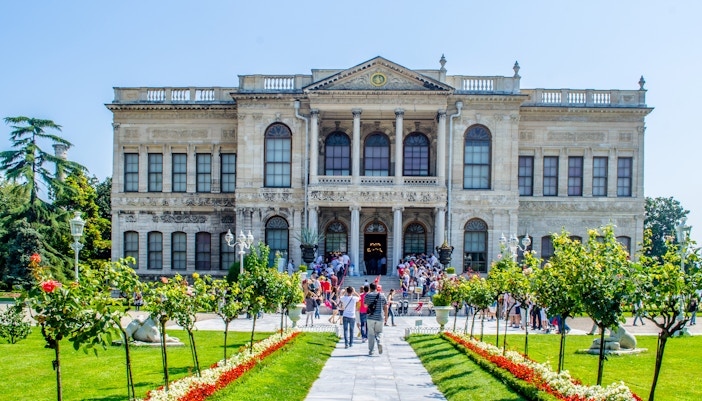
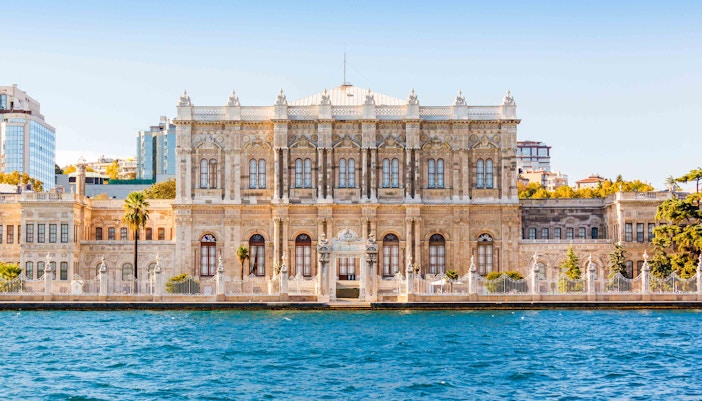
Mabeyn-i Humayun, also known as the Imperial Suite, was used by the Sultan for daily activities. Designed with great attention to detail, it has ornate ceilings, opulent decorations, and intricate marble floors.
Inside Dolmabahce Palace: Artistic treasures, Ottoman Splendour, & more
Dolmabahce Palace, A testament to Ottoman grandeur
Dolmabahce Palace is a magnificent 19th-century palace that was built as the primary administrative center of the Ottoman Empire and served as the residence of the Sultan and his family until the Empire's downfall in 1922. It exhibits a blend of Ottoman, Baroque, and Neoclassical architectural styles. It has over 285 rooms, 46 halls, 6 hammams (Turkish baths), and gardens, making it one of the world's largest palaces.
What’s inside Dolmbahce Palace?
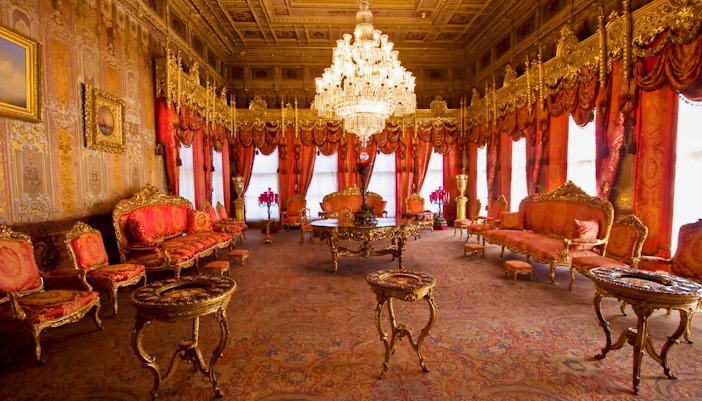
Mabeyn-i Humayun
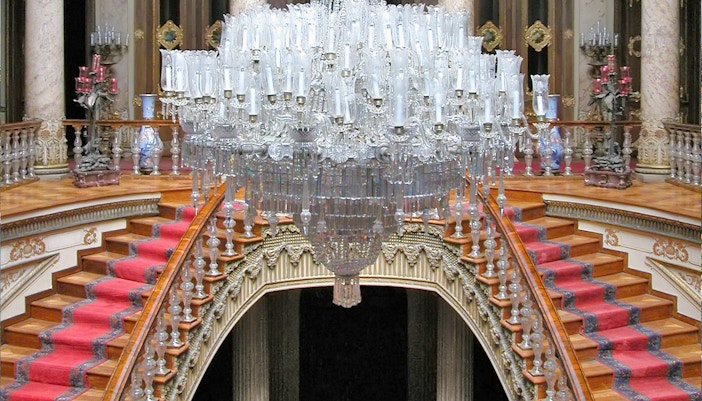
Medhal Hall
The Medhal Hall is the main entrance hall of Dolmabahce Palace. It features a grand staircase, ornate ceilings, and crystal chandeliers. It was designed to impress visitors and create a sense of grandeur.
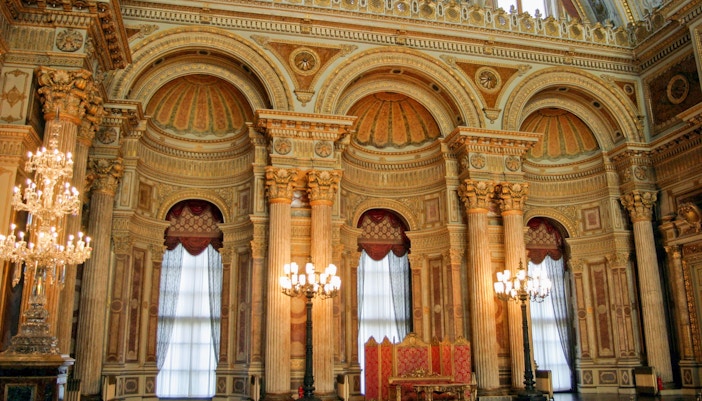
Muayede
Muayede, also known as the Ceremonial Hall, showcases crystal chandeliers, gilded columns, and intricate marblework. It has hosted many significant events in Turkish history and is known for its lavish decorations.
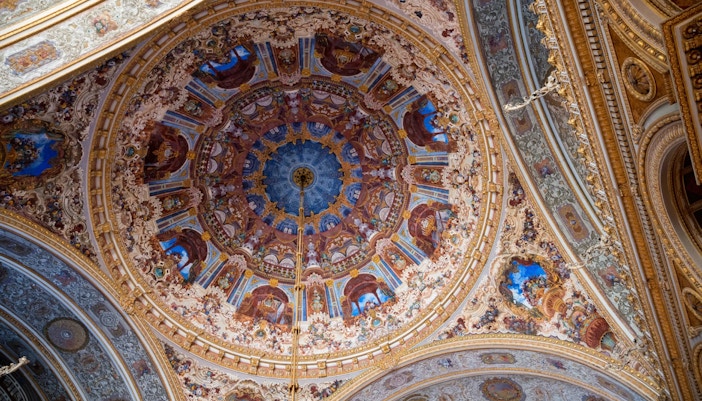
Sufera Salon
The Blue Hall, also known as the Sufera Salon, was used as the sultan's reception hall and features intricate blue and white tile work, elegant chandeliers, and ornate gold decorations. It is an excellent example of the opulence and grandeur of the palace.
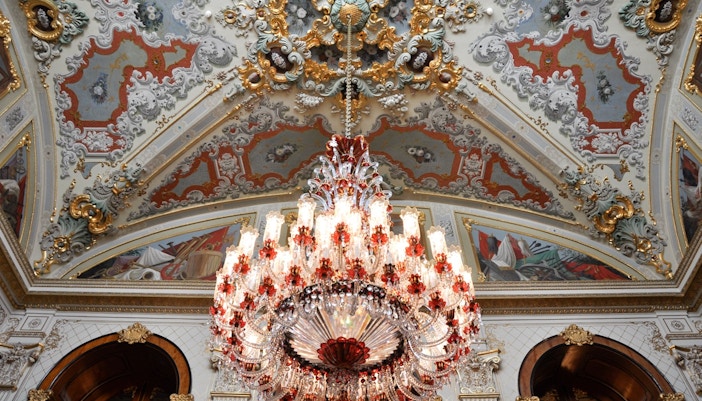
Red Room
The Red Room is known for its red and gold decorations. This room was used for formal receptions and features a large crystal chandelier and intricate carvings on the ceiling. The Red Room is a testament to the palace's rich cultural heritage.
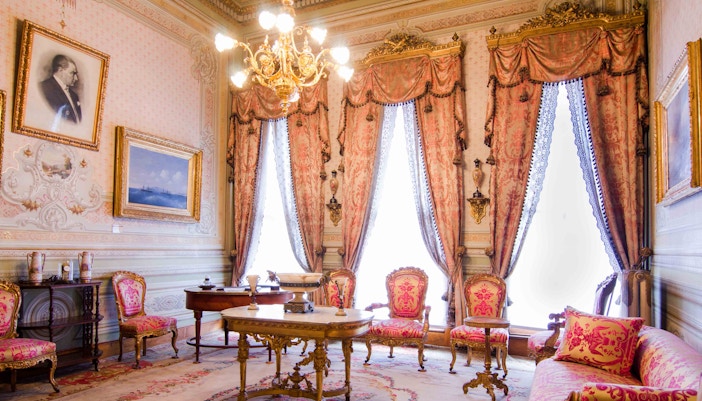
Ataturk's Room
Visiting Ataturk's room was the residence of Mustafa Kemal Atatürk, the founder of modern Turkey, during his visits to Istanbul. The room has been preserved exactly as it was during his stay, including his personal belongings such as his books and clothes.
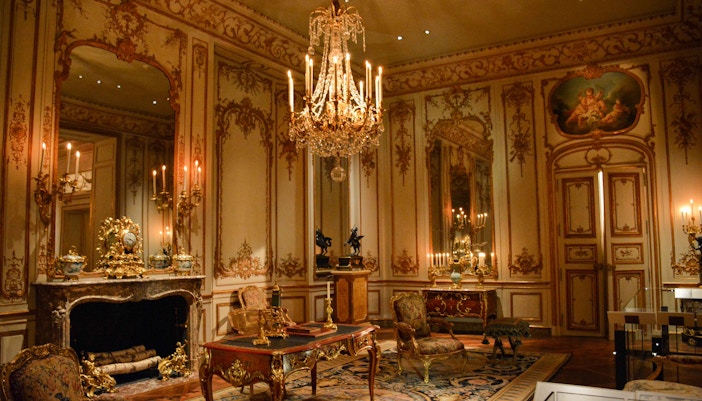
Harem
The Harem is an intriguing and unique part of Dolmabahce Palace that provides a glimpse into the private lives of the Ottoman sultans. It includes a variety of rooms, such as the sultan's private chambers, the queen mother's apartments, and the concubines' quarters.
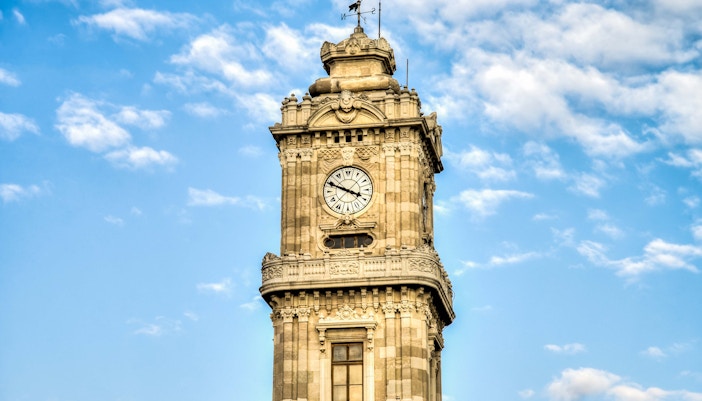
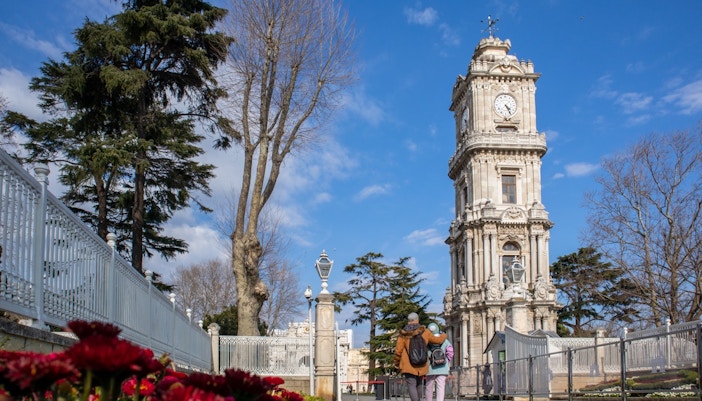
Clock Tower
The Clock Tower has an elegant face, complete with beautiful carvings, and intricate decorations. Visitors can climb to the top of the tower for stunning views of the palace and the surrounding area.
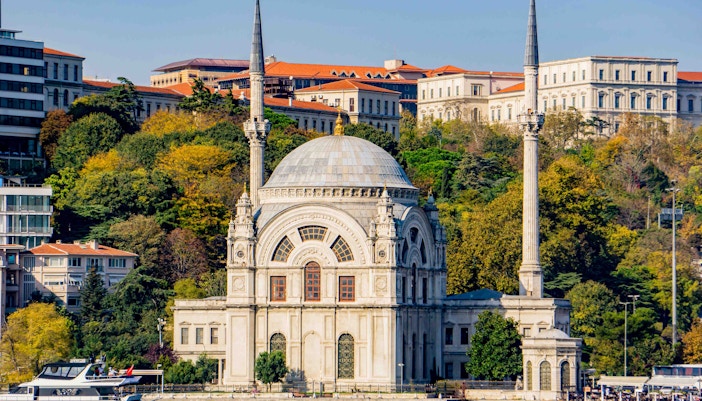
Dolmabahce Mosque
The Dolmabahce Mosque was built in the mid-19th century and was intended to be a grand mosque that would rival the nearby Blue Mosque. It features both Ottoman and Baroque elements.
Visitor tips
- Wear walking shoes: Wear comfortable shoes, as the palace is vast and involves a lot of walking.
- Photography: Photography is allowed, but be sure to check for any restrictions in certain areas.
- Dress code: Respect the palace's dress code and wear clothes that cover your shoulders and knees.
- Book guided tours: Take a guided tour to fully appreciate the palace's rich history and architecture.
- Carry water: Bring a bottle of water, as there are no water fountains inside the palace.
- Additional fees: Keep in mind that certain areas of the palace, such as the Clock Museum and the Harem, may require an additional entrance fee. When purchasing tickets, take note of these additional costs.
Frequently asked questions about what's inside Dolmabahce Palace
Inside Dolmabahce Palace, you can explore a vast collection of luxurious rooms, halls, and chambers that showcase the opulence of its Ottoman-era design and architecture. The Medhal Hall, Red Room, and Blue Hall are some of the lavishly decorated rooms that exhibit a blend of Ottoman, Baroque, and Neoclassical architectural styles.
Yes, you must buy Dolmabahce Palace tickets to enter the attraction. You can enjoy skip-the-line benefits and an audio guide along with your palace tickets.
Yes, you can take a guided tour of the Palace. You must book Dolmabahce Palace tickets in advance to reserve your spot. Booking tickets online ensures that you can have a hassle-free touring experience on the day of your visit.
Some of the highlights inside Dolmabahce Palace include the grand Muayede Hall, which was used for state ceremonies and events, the ornate Medhal Hall, which served as a ceremonial entrance to the palace, and the lavish harem, which was once the private residence of Sultan's family. Other must-see areas include the crystal staircase, the Red Room, and the Blue Hall, which is decorated with 7,500 pieces of Bohemian crystal.
No, you need a ticket to go inside Dolmabahce Palace. It is best to purchase Dolmabahce Palace ticketsonline in advance because the palace is a popular tourist attraction that draws visitors throughout the year.
Dolmabahce Palace is the largest palace in Turkey. It has an area of 45,000 m2 (11.1 acres) and contains 285 rooms, 46 halls, and 6 baths (hammam).
Yes, you can take photos for personal use at most places within the palace. However, it is better to look out for signs that forbid photography in some sections of the palace.
Dolmabahce Palace is mostly wheelchair friendly. You can enter the palace grounds and most of the rooms with a wheelchair, but you may need assistance in some areas where there are stairs or uneven surfaces.
Yes, visiting Dolmabahce Palace is worth it. The palace is an architectural masterpiece that showcases the grandeur and opulence of the Ottoman Empire. The palace's stunning design, with a mix of Ottoman, Baroque, and Neoclassical styles, is a testament to the skill and creativity of its builders and architects.
Dolmabahce Palace is located on the European side of Istanbul, Turkey, overlooking the Bosphorus Strait. The palace is situated in the Besiktas district, near the Kabatas ferry terminal, and is easily accessible by public transportation.